
Three Delphian Alumni Share the Technological Advancement of Journalism
By Ava Geaniotis, Kennedy Nashe, Ciara Salinas
From typewriters to personal computers and from carefully cutting and pasting galleys to Adobe InDesign, technological development has always shaped the way journalists research, write and produce news stories.
Since its founding in 1951, late nights spent manually editing the newspaper by hand on the third floor of the University Center turned into meetings in Earle Hall to primarily post articles online. For 75 years, Adelphi’s school newspaper The Delphian has created a space for students to express their voice no matter their background or major, creating lasting memories with friends and producing newspaper issues with varied technologies.

THREE ADELPHI ALUMNI SHARE THEIR STORY
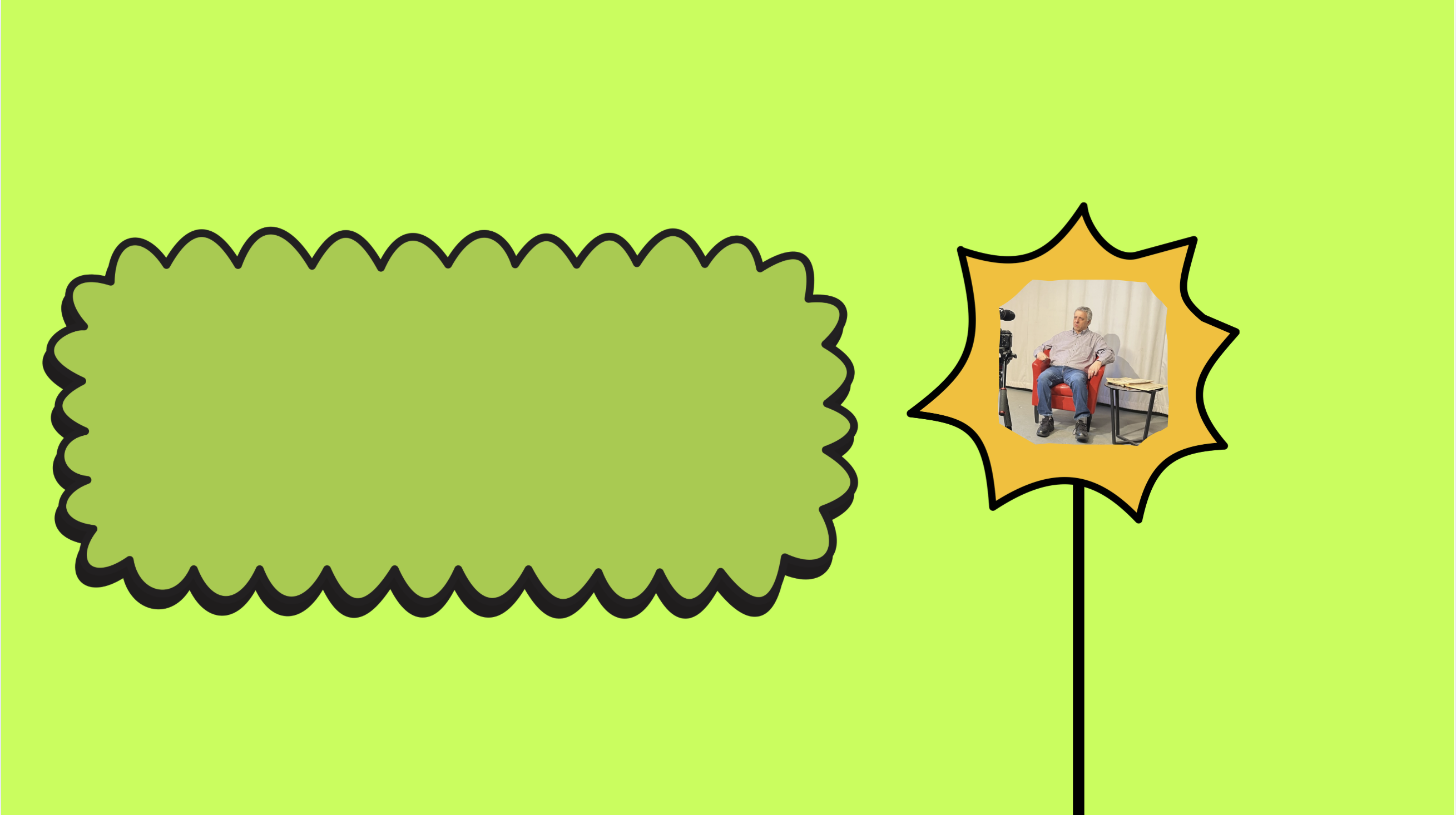
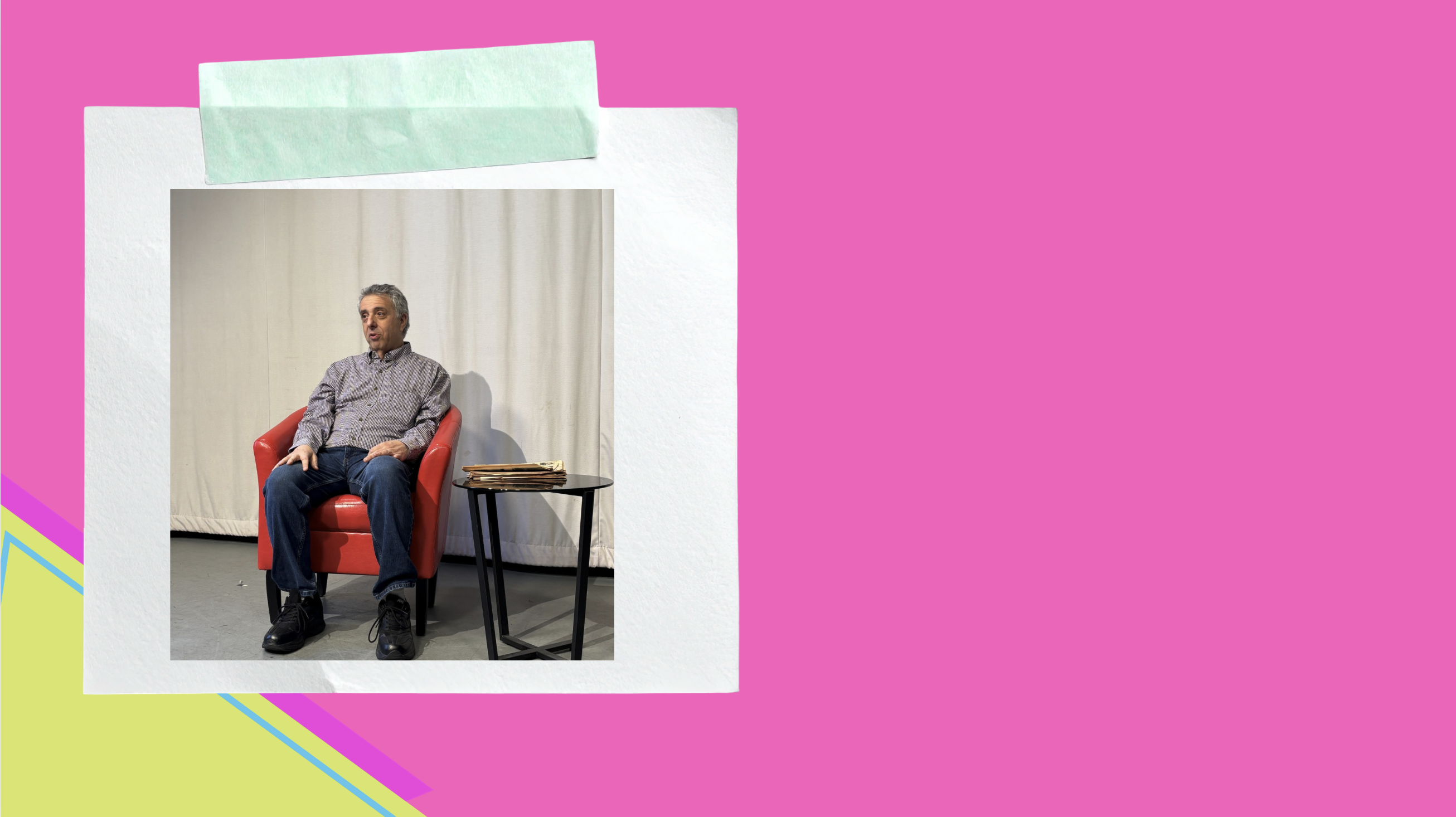
Jeffrey Schwartz ‘84 was the news editor and managing editor of The Delphian, writing for the paper from 1980–1984. After graduation, he became a journalist who primarily covers technological topics.
Amy Newman ‘93 was the Editor-in-Chief of The Delphian and contributed to the paper from 1989–1993. She majored in English during her time at Adelphi, and since then has worked in marketing.
Victoria Grinthal ‘20 was an editorials editor for The Delphian, and was a member from 2017–2020. She contributed to the paper as a writer while studying in STEM as a computer science major.
1980–1984: Jeffrey Schwartz
Jeffrey Schwartz was a communications major during his time at Adelphi and today is a journalist specializing in information technology. Even before he entered Adelphi, Schwartz knew that he wanted to join the school’s paper. He began as a reporter as a freshman and later held the positions of news editor and managing editor.


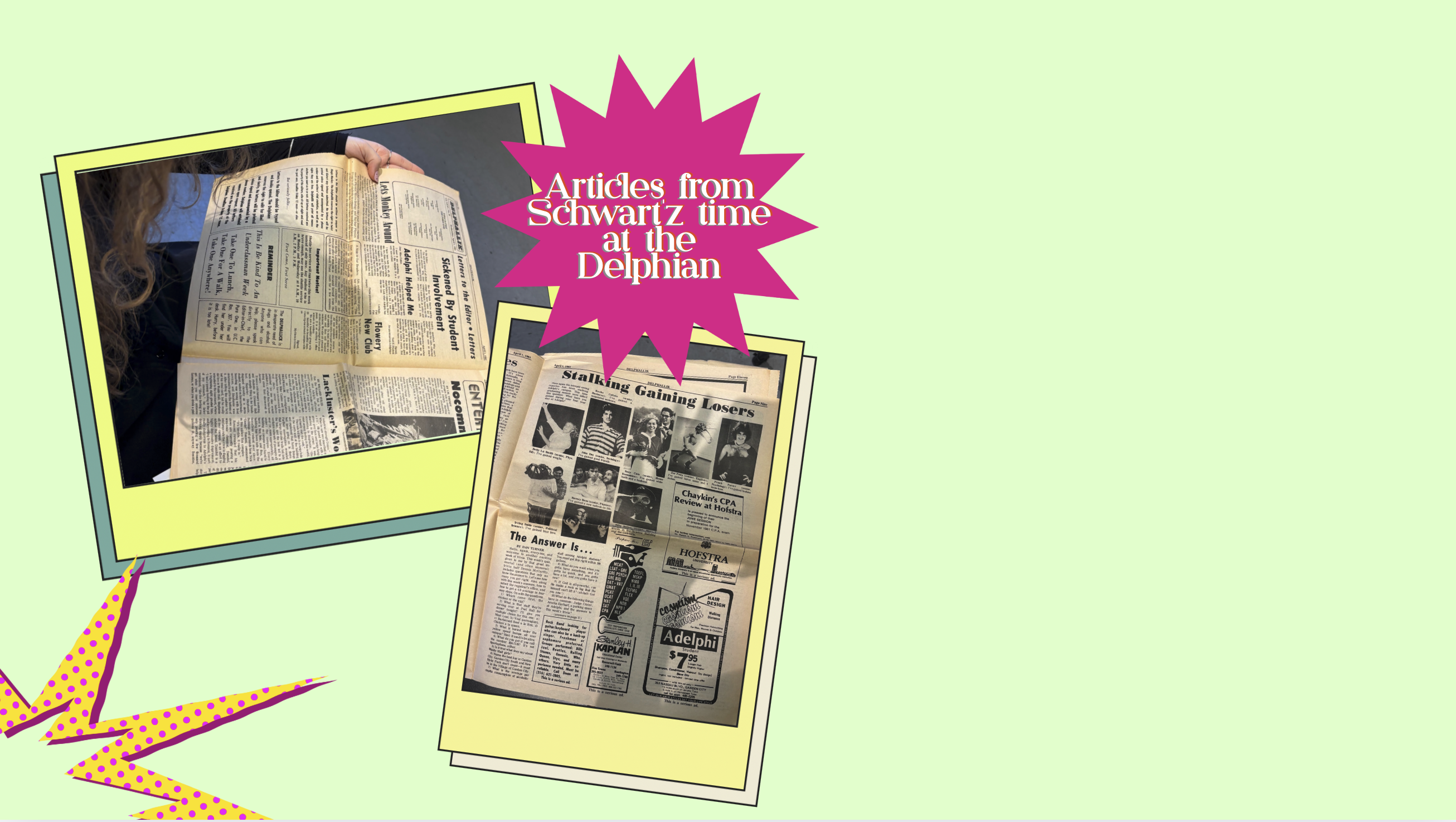
At the time, the process of producing a paper was extremely hands-on. According to Schwartz, writers used typewriters to write articles and editors would mark corrections and make critiques in pencil since there were no computers yet.
To produce the layout of each issue, all the articles would be sent to a printer that would typeset them into galleys. From there, Delphian members needed to cut up the galleys and then paste them onto each page the way they wanted them laid out.
“It was a very arduous process,” Schwartz said.

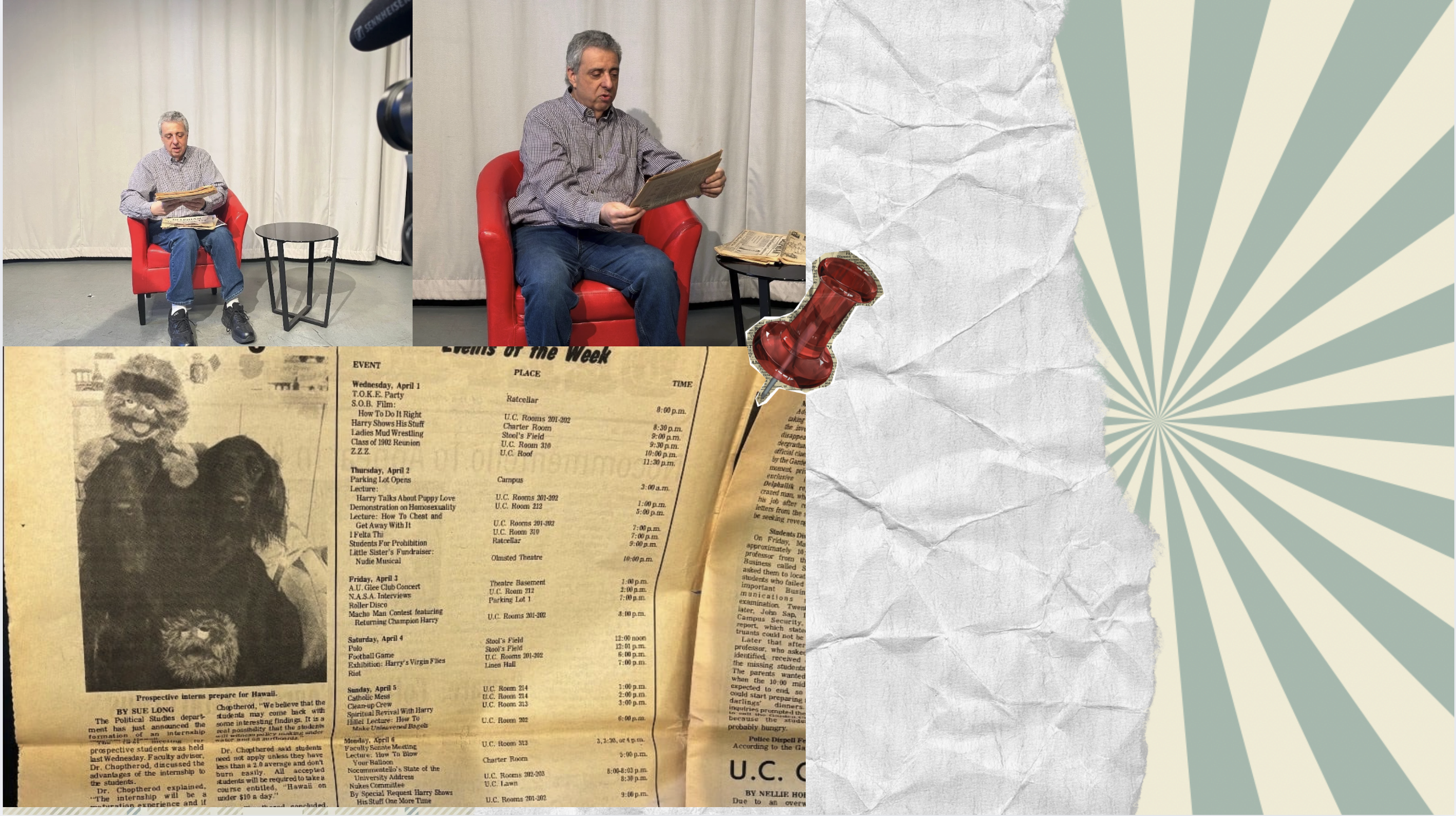





While he didn’t realize his passion for technology in school, Schwartz credits The Delphian with giving him experience in journalism that helped him land his first job and led him to report on the technology of recording, television broadcasting, video and telecommunications. During the ‘90s with the advent of the web and rapid development in new technologies, his career in technological journalism expanded.
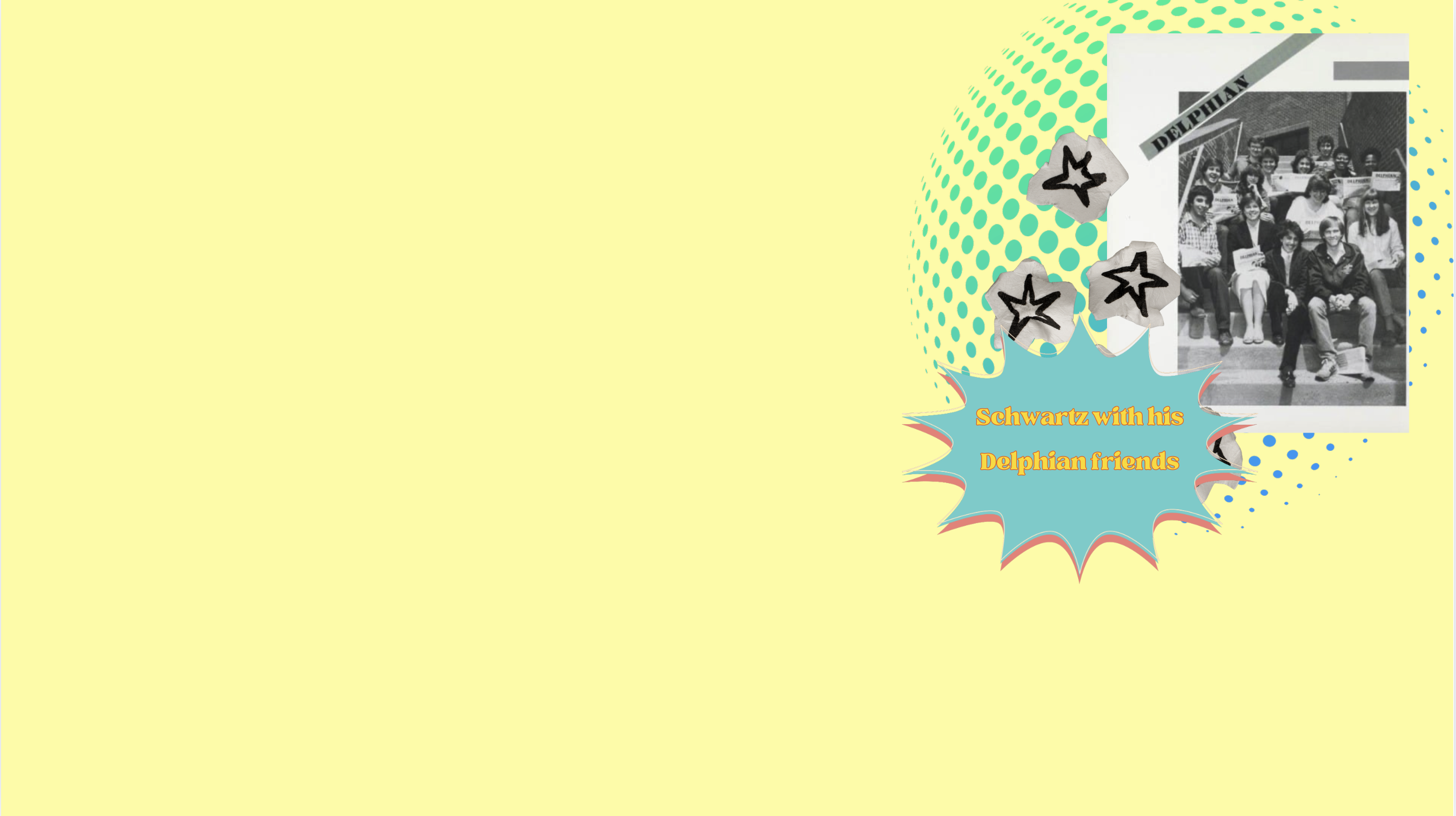
Schwartz made a lot of friends during his time with The Delphian who all shared his passion for writing and putting out a quality paper – even with the constraints of the technology at the time. Schwartz said that together, they “tried to make it as graphically appealing as possible and as informative as possible.”
1989–1993: Amy Newman
In the early ‘90s, technology around the world and in The Delphian’s newsroom began to advance, though it was still some time before the debut of Windows software. Amy Newman was a member of the newspaper as a freshman before and served as Editor-in-Chief from 1991 to 1993.

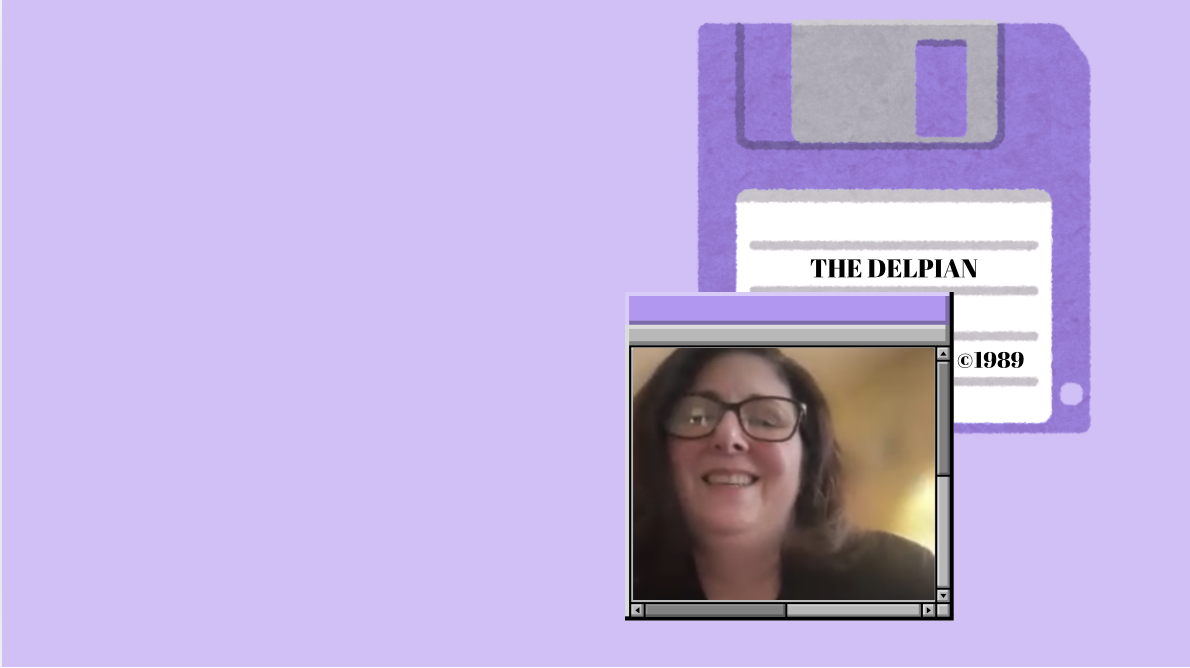
The spring before her first semester, The Delphian ordered its first set of computers, signaling a transition to use of technology known today.
During the late 80s, The Delphian used WordPerfect, a word-processing application, to type their articles. “I had a computer at home, which not everybody had,” Newman said. “Some people came to college with a word processor.”
Newman had no experience creating layouts and had never used a mouse. She said that learning how to lay out the newspaper consisted of taking the words from WordPerfect, saving it to a floppy disk – “a big floppy disk,” she added, “not even the little ones that came in the mid 90s”– launching Ventura Publisher and importing the words into the layout to“play around with the fonts and get it so it was whatever the specs of The Delphian were.”


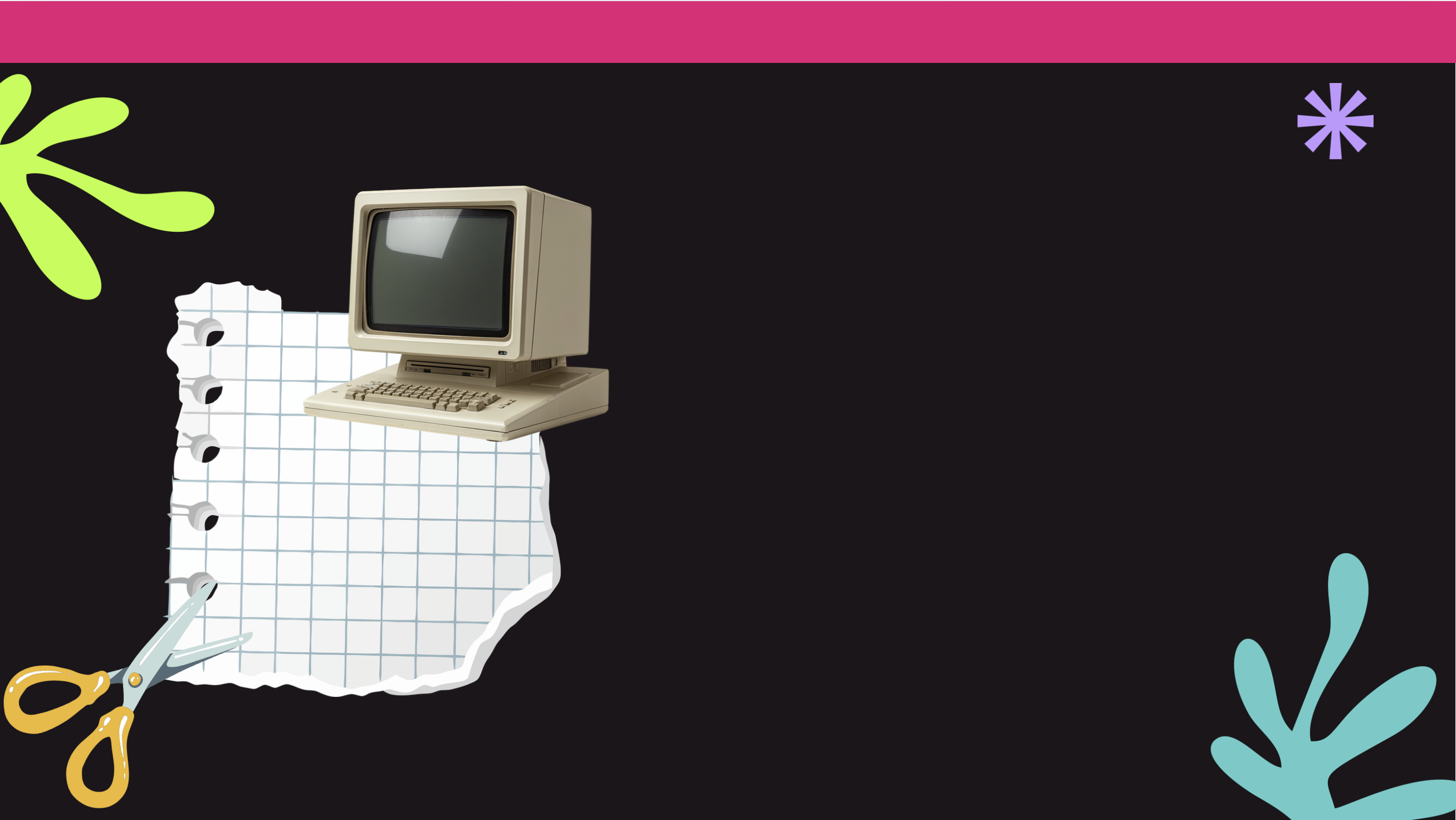
Newman described the next part of the process as “arts and crafts.” After laying out the newspaper on the computer, the pages were printed out, cut to fit on a flat, which Newman described as “a big piece of paper with grids,” and lined up.
“If you put [the pages] in crooked, it would print crooked,” she said, “At some point, I think it was my freshman year, the larger-sized font disappeared and we spent probably the remaining three and a half years, we couldn’t figure out how to get the fonts back.” Because of this situation, the new font eventually became the style of the newspaper.
Newman recalled that there were often late production nights. When everything was pasted and prepared, the flats were double-checked to ensure they lined up, then placed in a huge portfolio-like envelope and driven over to the printer in Westbury so it could be printed.
“Now that usually happened on average between 2:30 and 3:30 in the morning,” she said. “There were some issues that were so intense and required so much work that we were dropping it off at the printer when [the employees] were coming in to work that day. So we were bringing them at 6:30, 7 a.m. – then everybody would go home, pass out and go to class on Wednesday.”

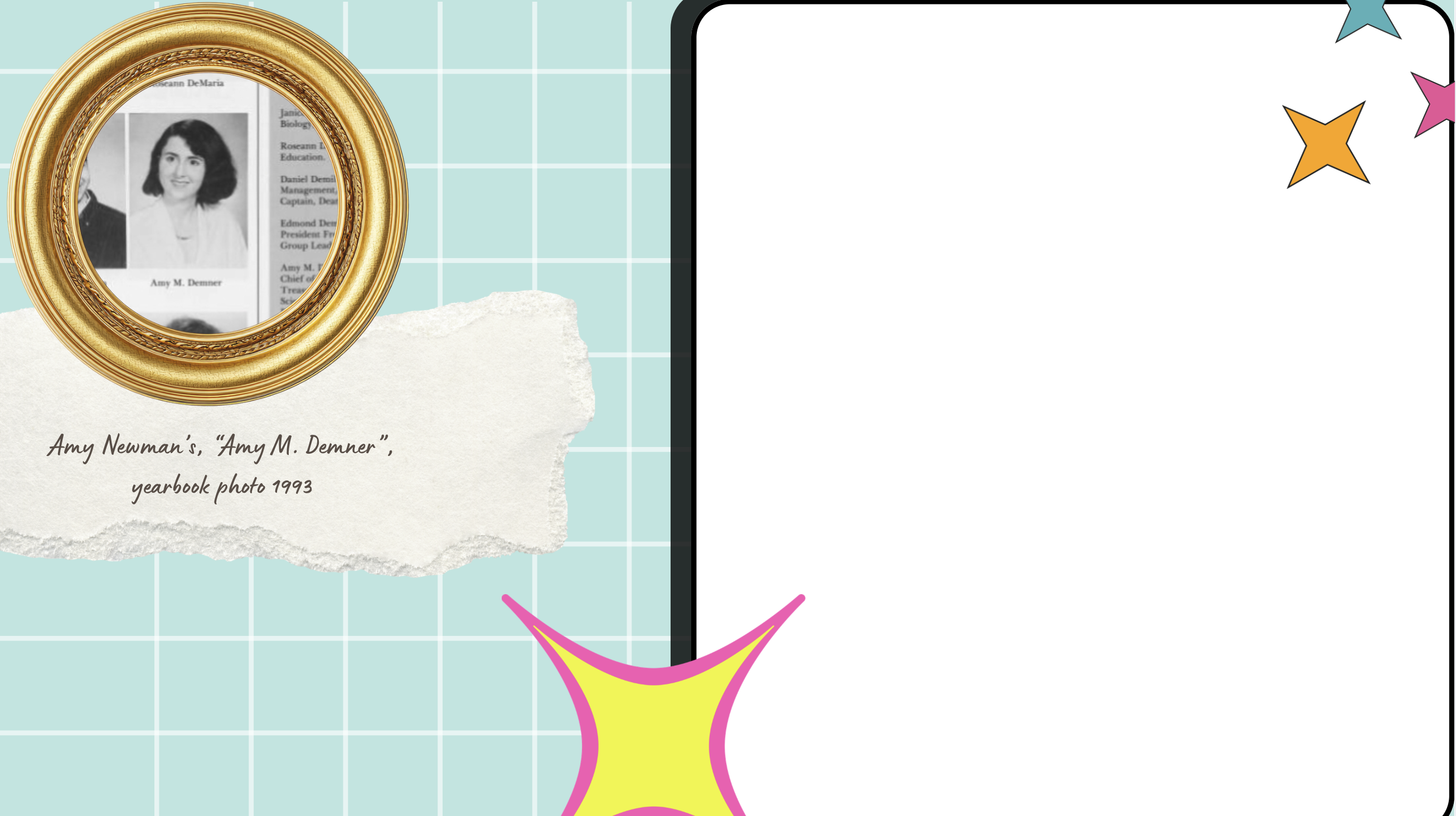
Newman has many favorite memories of her time at the Delphian. Originally coming to Adelphi with the intention of pursuing a career in journalism, she said there weren’t any journalism classes when she got here, and The Delphian was the only outlet that allowed her to practice writing as a journalist.
“I came for the writing and stayed for the friendships,” she said.
“It was pretty clear it was a fantastic group of editors and writers, and people just really engaged with the Adelphi community. Everyone was warm and friendly,” she added.
2017–2020: Victoria Grinthal
Due to the rapid technological advancements of the 2010s, the world of journalism has changed forever. Victoria Grinthal, editorials editor and staff writer, shared her experience with the digitization of journalism and its impact on The Delphian.

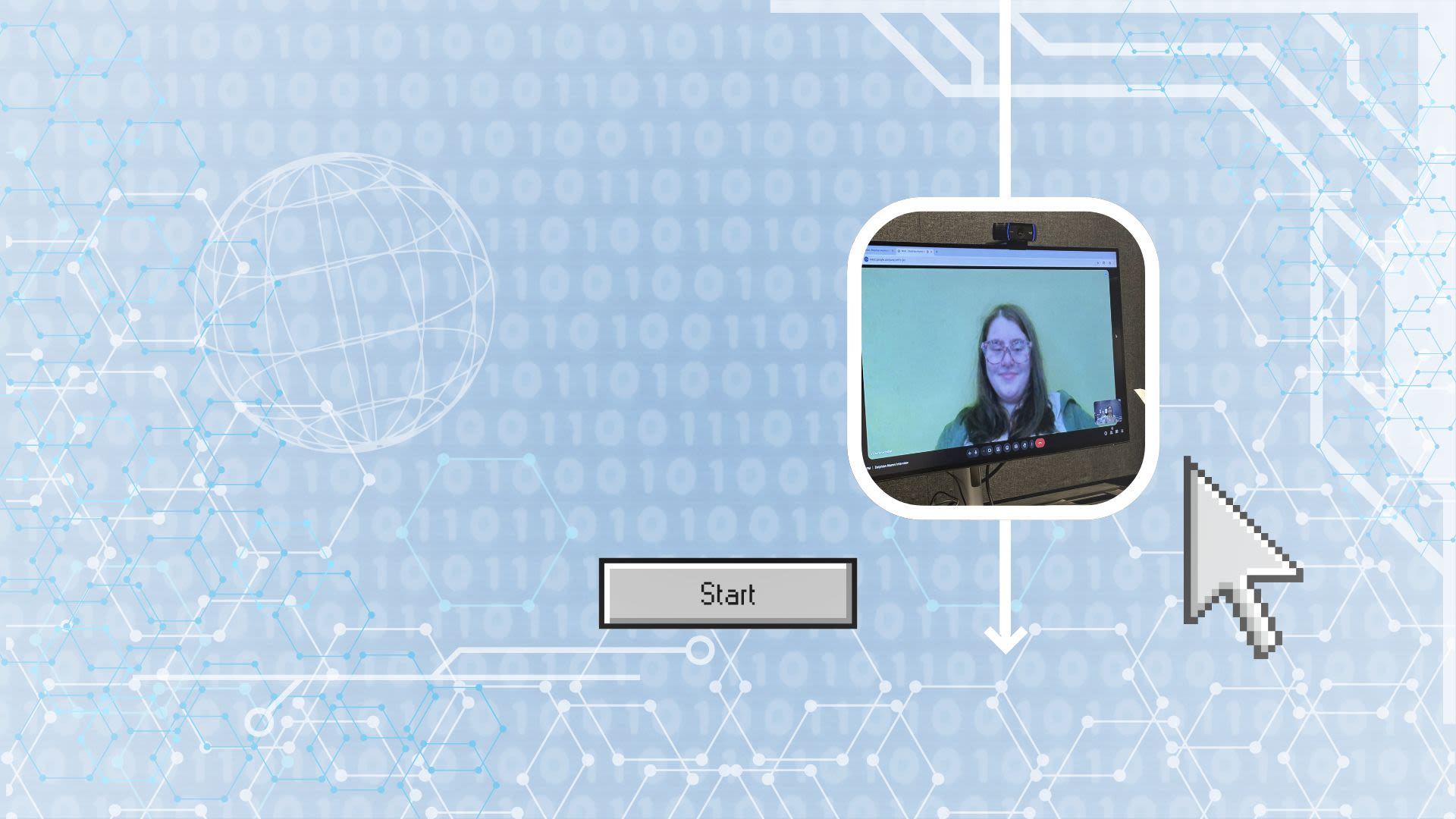
Ever since high school, Grinthal has always loved to write. As a budding computer scientist, this made it even more exhilarating to do what most people in her major didn’t: take out a pen and paper and voice her opinion. She acknowledged that her contrasting interests – computer science and The Delphian – gave her the ability to explore different perspectives and create diverse editorial pages.
With a computer science focus and a graphic design minor, Grinthal helped with the digital layout process. She said that being able to research and look up how pieces should be edited was one of the many benefits of modern technology. She also stated that having digital access to other writers as an editorials editor made communication during the writing and editing process easier.
Grinthal reflected on how the rise of social media and advancing technology changed the content of The Delphian, and a few of her articles were even about social media. According to Grinthal, referencing sources, accessing other people’s opinions online and gaining new topics became easier due to the digitization of journalism.
Grinthal said, “Those were the days when Instagram was crazy, and Twitter and Tumblr – and all these different things. So, there was always a place to find a person's opinion, and always a place to reference from it."
She added,

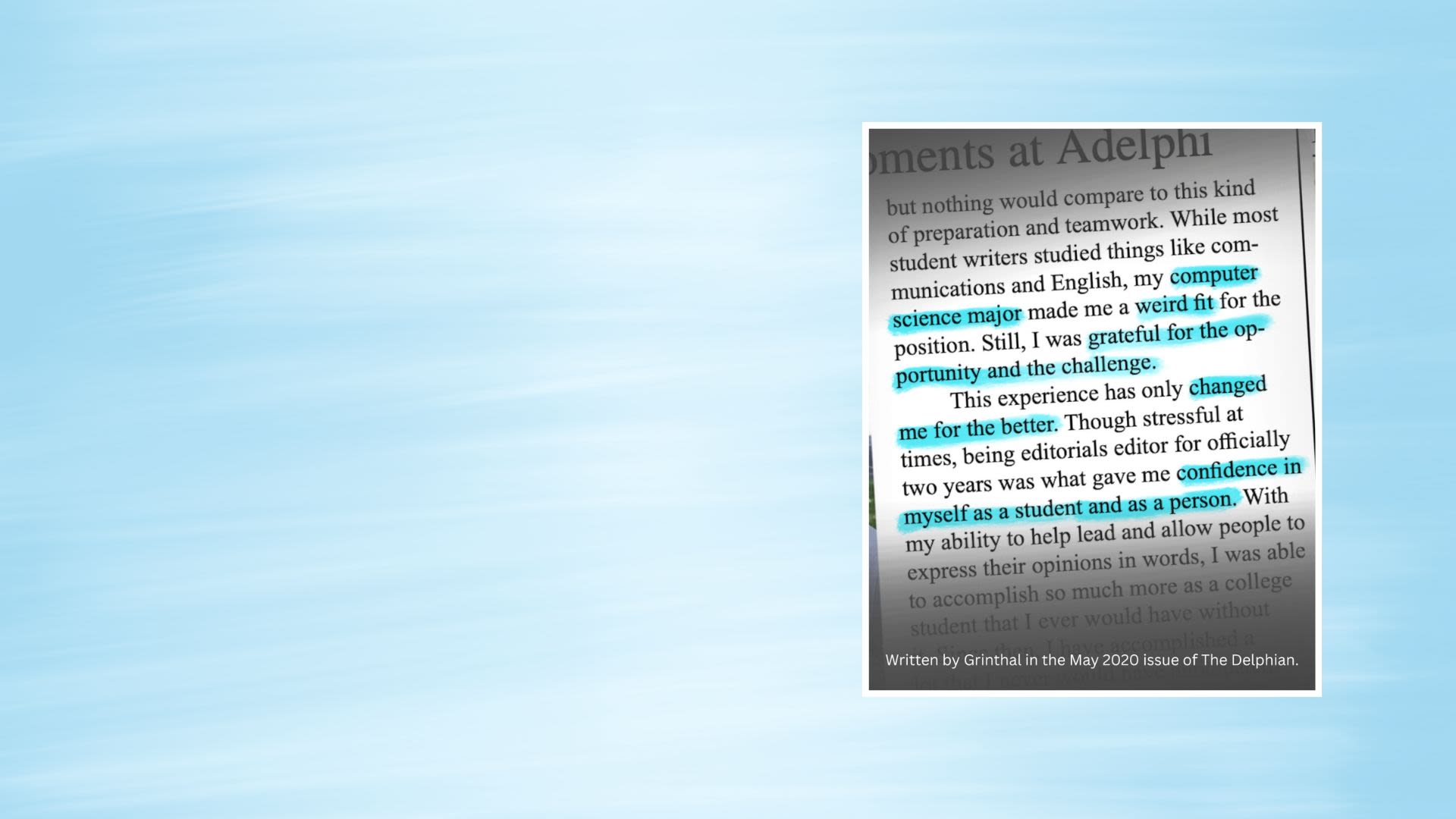


Grinthal said that the ability to ask others about their thoughts and opinions fascinated her because of how personalized each individual's feed became.
“Being with the technological standpoint and everything, I felt like it made sense to me – it felt like it made sense. To also ask other people,

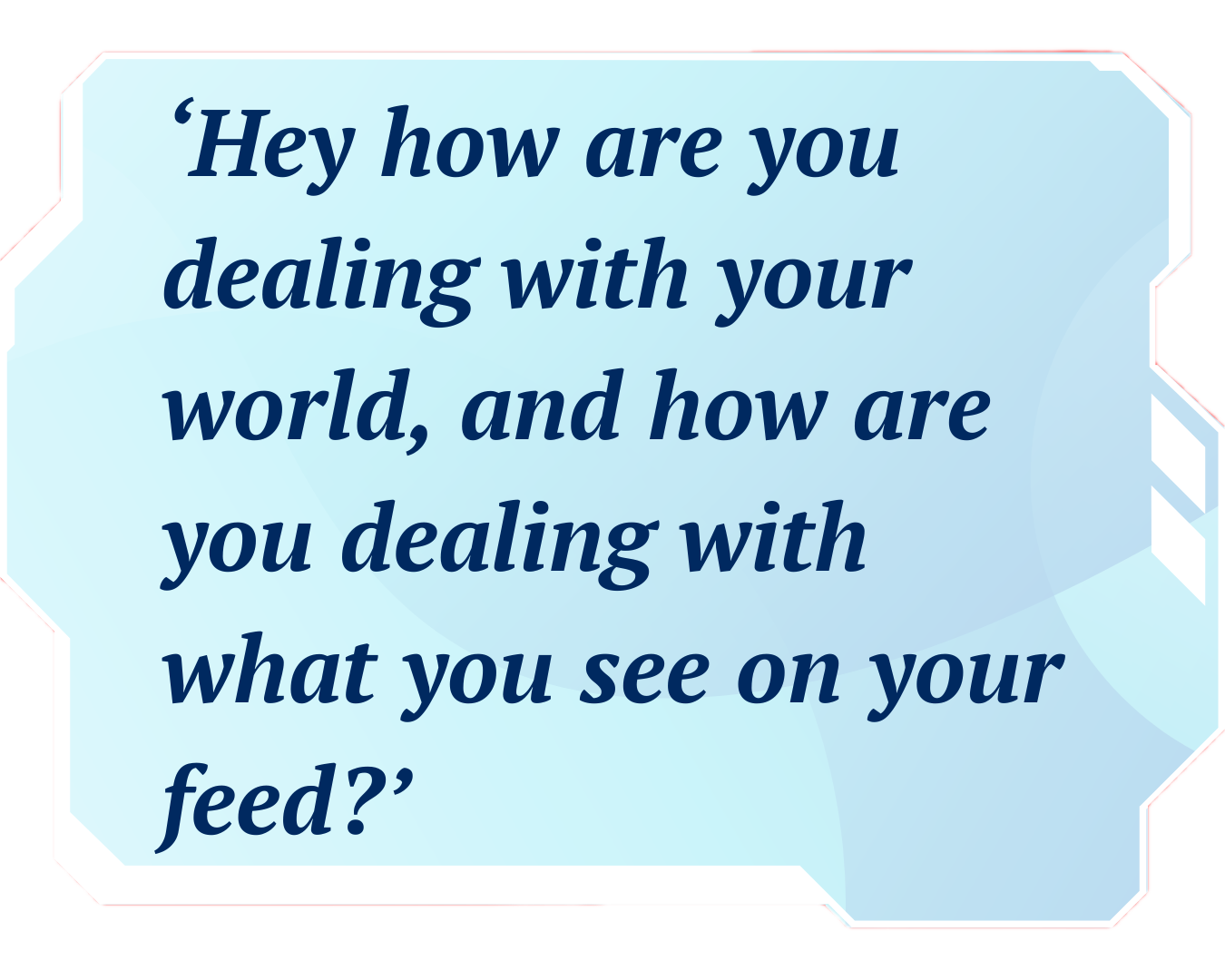
Because that in itself is kind of so specific to every single person. Just because everybody's feed is so personalized, it's really cool to find common ground.”
However, modern technology has as many drawbacks as it does advantages. Grinthal admitted that she had to learn how to be patient and give herself grace when dealing with the technology, especially when it got challenging.
When the COVID-19 pandemic hit, Grinthal and her fellow Delphian staff had to get creative when writing articles and working on other Delphian projects. She recalled creating a piece with other writers on how they each entertained themselves during quarantine, her hobby being playing the guitar. Although there were numerous challenges, she stated that she couldn’t imagine her last semester at Adelphi any other way.

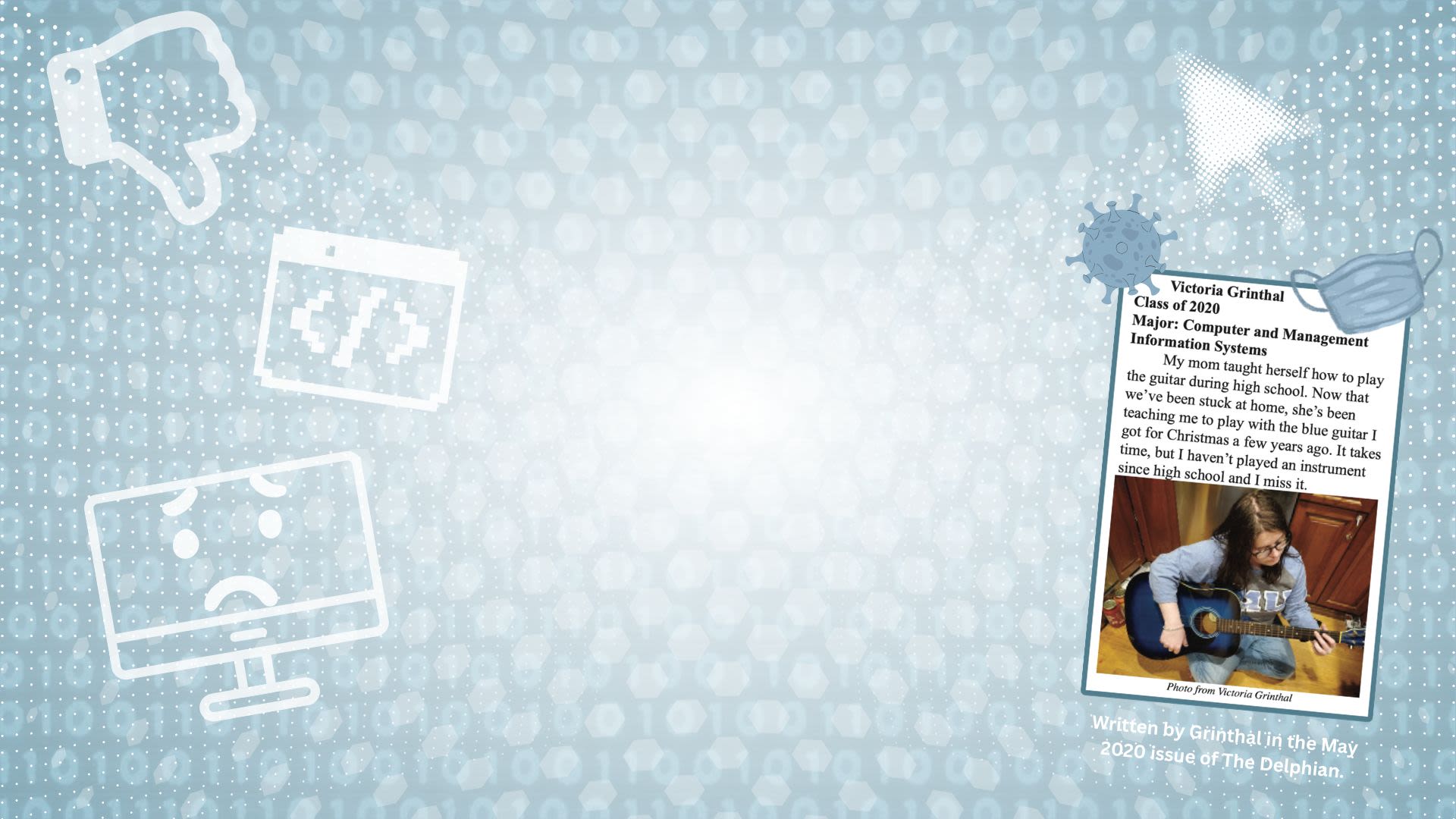
Grinthal expressed that her fondest memories of being at The Delphian were seeing new members and students who were usually shy or quiet try new things and write for the paper.


Today
All three Delphian alumni have advice for aspiring journalists.
1980-1984
Schwartz said, “Always be curious, be skeptical. Try to create your own style of reporting and writing.”
1989-1993
Newman’s advice was similar. “Journalism has changed so much in the last 30 years, and if that’s the path you’re looking to go down, I think it’s also important to feel comfortable with more than just the written medium,” she said. “Be open to possibilities, different media and different ways.”
She added, “Be curious, because when you stop being curious, it’s when [journalism] stops being interesting.”
2017-2020
Grinthal’s advice for students is to “take the step” and see where that path leads you. She acknowledged that if she hadn’t done so, she would have never made so many memories she now treasures. She also encouraged young journalists to keep writing and get their voices out there, even if they think nobody is going to read it. Ultimately, their opinions matter and are important to the community.
CREDITS:
By Ava Geaniotis, Kennedy Nashe, Ciara Salinas
Images Courtesy of Adelphi University Archives and Special Collections, Garden City, NY
 Built with Shorthand